When the Roof Fails Before Help Arrives
Emergency Roof Repair in Spartanburg for active leaks, storm damage, and exposed structural areas requiring immediate attention
A roof that fails mid-storm or after impact leaves no room for a scheduled appointment. Jordan Roofing handles emergency roof repair in Spartanburg, responding to situations where water is entering the structure, decking is exposed, or damage is actively worsening. What separates an emergency call from a standard repair request is the timeline: the work has to happen before further damage spreads into insulation, framing, or interior finishes.
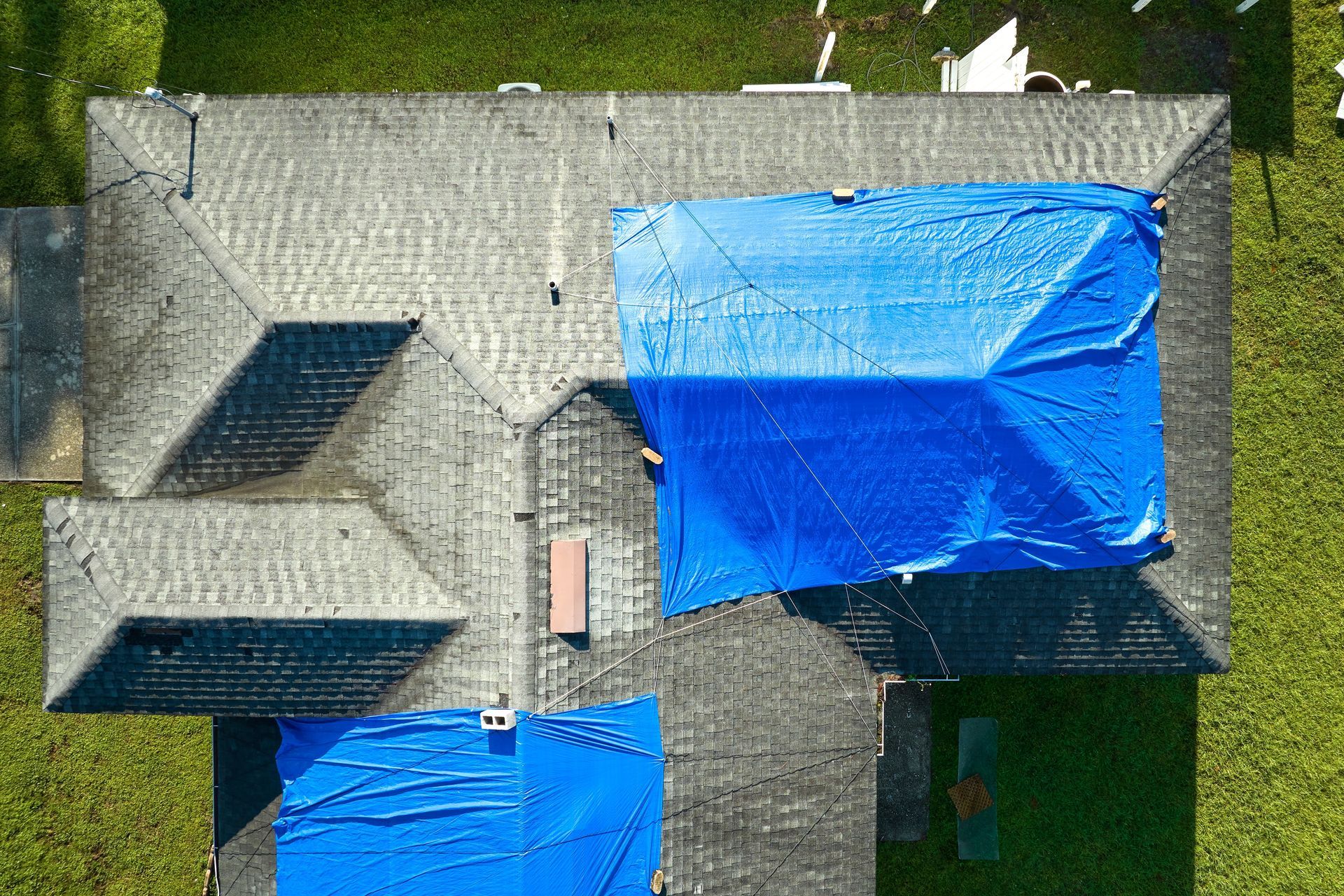
Emergency repair typically begins with a rapid assessment of the failure point—whether that's a section of missing shingles, a punctured membrane, a displaced ridge cap, or flashing that has pulled away from a wall or chimney. The first priority is stopping water entry with a durable temporary or permanent fix, depending on what the roof's current condition will support. Jordan Roofing is available even on major holidays, which matters when most contractors are unreachable and a tarp stapled at the wrong angle is creating as many problems as it's solving.
Arrange an on-site assessment so the actual extent of the damage can be evaluated before conditions inside the structure deteriorate further.
How Emergency Roof Repair Addresses Active Damage
When a contractor arrives for an emergency call, the inspection covers more than the visible breach. Damage at one point on a roof often reflects stress at adjacent sections—lifted tabs near the failure zone, compromised underlayment beneath surrounding shingles, or flashing that has begun separating at a seam. Understanding what's failing and why determines whether a targeted patch will hold or whether a broader scope of work is necessary to stabilize the roof.
After the repair is completed, you'll notice that water intrusion stops, and any visible gaps or exposed decking are sealed and covered. Interior ceilings that were actively receiving drips return to dry conditions once the entry point is addressed at the source. The difference between a properly executed emergency repair and a rushed one shows up within the next rain event—either the fix holds or it doesn't, and the quality of the materials and installation method determine which outcome follows.
Spartanburg's mix of older craftsman-style homes and mid-century ranch construction means rooflines, pitch angles, and original sheathing materials vary significantly from property to property. That variation affects how repairs are approached: a steep-pitch roof on a 1940s home requires different staging and anchoring than a low-slope system on a 1970s ranch, and the repair scope has to account for what's underneath the surface layer, not just what's visible from the ground.
Common Questions About This Service
The questions below address how emergency roof repair actually works—what happens on site, what decisions get made, and what to look for once the work is finished.
What is the first step when a contractor arrives for an emergency roof call?
The technician locates the primary entry point by tracing water pathways from interior damage back to the roof surface, then assesses whether surrounding materials are structurally sound enough to support a lasting repair rather than a surface-only patch.
How does the condition of the existing sheathing affect what repairs are possible?
If the decking beneath the damaged area has absorbed moisture and begun to soften, the repair scope expands to include sheathing replacement before new roofing material is installed, because fasteners won't hold reliably in degraded wood.
Why does roof pitch matter when planning an emergency repair?
Steeper pitches require different anchoring, access equipment, and material application methods than low-slope sections, and mismatching the technique to the pitch is a common reason temporary fixes fail within days of installation.
What should you check after an emergency repair is completed to confirm it held?
During the next significant rain, inspect the interior ceiling and attic space at and around the previously affected area—no new staining, no active dripping, and dry insulation are the observable indicators that the repair sealed the breach correctly.
How do older Spartanburg homes affect the complexity of emergency roof repairs?
Properties built before the 1980s often used thinner sheathing panels or skip sheathing, which changes how replacement materials are matched and fastened, making a quick visual inspection at the surface insufficient for scoping the full repair accurately.
Jordan Roofing is available for emergency roof repair calls in Spartanburg on any day of the year, including major holidays when other contractors are unavailable. If your roof has sustained damage and water is entering the structure, contact Jordan Roofing directly to have a technician evaluate the situation and begin work.